
-
Summer gives kids a much-needed break from the school routine, but many parents still want their children to stay active, social, and mentally engaged. The best summer activities for kids are not just about keeping them busy. They help children build confidence, practice problem-solving, use their imagination, and return to school feeling ready for the next challenge.
For families in Metro Atlanta, there are many ways to make summer both fun and educational. Camps, library programs, puzzles, games, sports, art, music, science activities, and chess can all play an important role in helping kids learn without making summer feel like school.
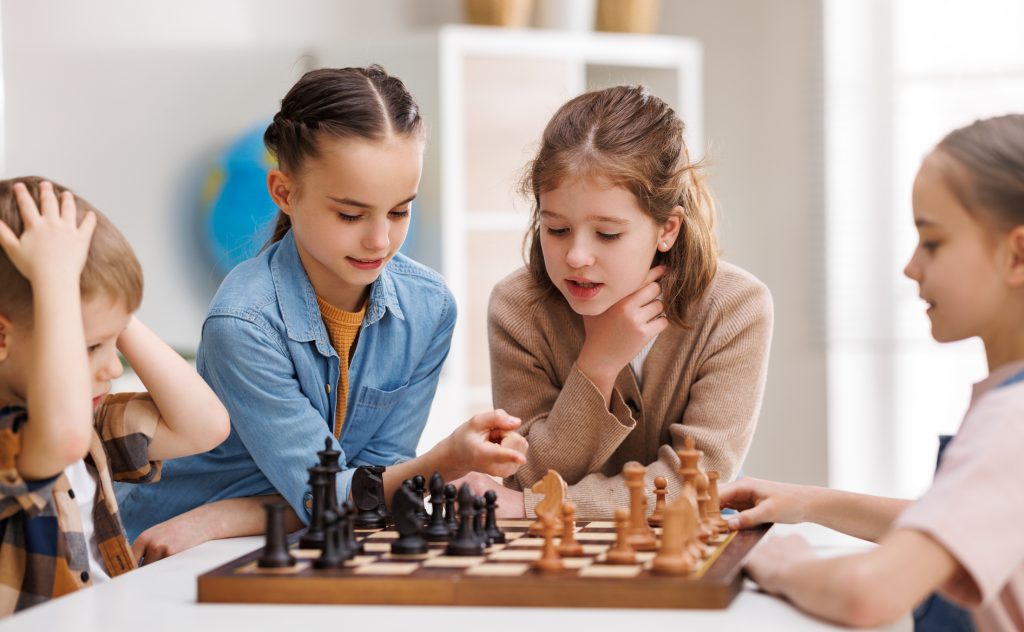
At Kid Chess, we believe children learn best when they are having fun. Chess is a great example of that. It gives kids a chance to think ahead, make decisions, learn from mistakes, and enjoy friendly competition. That makes it a strong choice for parents looking for educational summer activities that feel exciting, not forced.
Key Takeaways
- Educational summer activities help kids stay mentally active while still enjoying their break from school.
- The best summer activities combine fun, structure, creativity, and problem-solving.
- Chess is a strong summer enrichment activity because it helps kids practice focus, patience, planning, and decision-making.
- Summer camps, puzzles, reading, STEM activities, art, music, and outdoor play can all support learning in different ways.
- Kid Chess offers programs that help children learn, practice, and enjoy chess in a kid-friendly environment.
Why Educational Summer Activities Matter
During the school year, children spend a lot of time following schedules, completing assignments, and learning new material. Summer is different. It gives kids room to relax, recharge, and explore interests they may not have time for during the school year.
That does not mean learning should stop completely. When kids go several weeks without reading, thinking critically, practicing math, or solving problems, it can be harder to transition back into school. This is one reason many parents look for summer activities that keep their children’s minds active in a natural, low-pressure way.
Educational summer activities can help by giving kids opportunities to:
- Practice focus and concentration
- Build confidence through small wins
- Strengthen problem-solving skills
- Stay socially connected with other children
- Try something new outside the regular classroom
- Develop patience and persistence
- Keep learning without feeling like they are doing schoolwork
For more on this topic, see our article on how chess helps prevent summer learning loss.
What Makes a Good Educational Summer Activity?
Not every educational activity needs to look academic. In fact, some of the best learning happens when kids are playing, experimenting, building, competing, creating, or working through a challenge with friends.
A strong summer enrichment activity usually has a few important qualities.
It Keeps Kids Thinking
Children benefit from activities that ask them to make decisions, solve problems, remember rules, or think through what might happen next. Chess, puzzles, building projects, strategy games, reading challenges, and science experiments are all good examples.
It Feels Fun, Not Forced
Summer should still feel like summer. Kids are more likely to stay engaged when the activity feels enjoyable. A good program should give children room to laugh, play, ask questions, and participate without feeling pressured.
It Builds Confidence
Summer is a great time for kids to try something new. When they learn a new skill, solve a puzzle, win a game, complete a project, or improve at something they once found difficult, they begin to see themselves as capable learners.
It Gives Kids Structure
Children often do better with some structure, even during summer. Camps, classes, clubs, and scheduled activities give kids a healthy routine while still leaving plenty of time for rest and family fun.
It Encourages Social Interaction
Learning with other kids can help children practice communication, patience, teamwork, sportsmanship, and respect. This is especially important during the summer, when kids may not see classmates every day.
Educational Summer Activity Ideas for Kids in Metro Atlanta
Metro Atlanta families have many options when looking for summer activities that are both fun and beneficial. The best choice depends on your child’s age, personality, interests, and schedule. Some kids enjoy active outdoor programs. Others prefer creative projects, games, puzzles, or smaller group activities.
1. Chess Camps and Chess Programs
Chess is one of the strongest educational summer activities because it teaches children to think before they act. Every move has a consequence, and every game gives kids a chance to learn something new.
Chess can help children practice:
- Focus and concentration
- Logical thinking
- Planning ahead
- Pattern recognition
- Problem-solving
- Patience
- Sportsmanship
- Confidence after mistakes
Unlike worksheets or drills, chess feels like a game. Kids get to compete, try new ideas, solve challenges, and see improvement over time. This makes it a great fit for summer learning.
Parents can learn more about why chess works so well during summer in our article, Why Chess Summer Camps Are Great for Kids.
2. Reading Challenges and Library Programs
Reading is one of the simplest ways to keep kids learning during the summer. Many local libraries offer summer reading programs, prizes, events, and activities that encourage kids to read regularly.
Parents can make reading more enjoyable by letting children choose books based on their interests. Graphic novels, biographies, mysteries, sports books, fantasy stories, and nonfiction books can all help kids build vocabulary and comprehension skills.
Even 15 to 20 minutes of reading a day can make a difference. The key is consistency and enjoyment.
3. STEM and Building Activities
STEM activities can help kids explore science, technology, engineering, and math in a hands-on way. This can include coding camps, robotics, building kits, simple science experiments, engineering challenges, or math games.
These activities are especially useful because they ask children to test ideas, make adjustments, and keep trying when something does not work the first time. That kind of persistence is valuable in school and in everyday life.
4. Puzzles, Brain Games, and Strategy Games
Puzzles and strategy games are great for rainy days, travel days, or quiet afternoons at home. They help children practice thinking through steps, recognizing patterns, and staying focused until they reach a solution.
Chess puzzles are especially helpful because they teach children to look carefully before making a move. Kid Chess has chess learning resources and puzzle-related content available through the site, including chess puzzles and other learn-to-play resources.
5. Art, Music, and Creative Projects
Educational summer activities do not have to be limited to math, reading, or science. Art, music, theater, drawing, painting, and creative writing all help children express ideas and develop patience.
Creative activities also help kids learn how to work through a process. They start with an idea, make choices, revise, practice, and improve. Those are valuable learning habits, even when the activity feels completely different from school.
6. Outdoor Learning and Nature Activities
Outdoor activities can also be educational. Nature walks, gardening, hiking, birdwatching, sports, and outdoor scavenger hunts help children observe the world around them.
These activities can be especially helpful for kids who need movement and fresh air. Summer learning does not always have to happen at a desk. Sometimes the best learning happens when kids are exploring, asking questions, and making connections in the real world.
7. Camps That Combine Fun and Learning
Summer camps are popular because they give kids structure, social interaction, and something to look forward to. A good camp should make children feel welcome while also giving them opportunities to learn, practice, and grow.
For parents looking for a thoughtful summer activity, Kid Chess summer camps can be a great option. Chess camp gives children a chance to build skills, play games, meet other kids, and stay mentally active during the summer break.
Why Chess Is a Great Summer Learning Activity
Chess is a unique summer activity because it combines fun and learning in a very natural way. Kids are not just listening to instructions. They are making decisions, testing ideas, solving problems, and learning from the results.
Every chess game gives kids practice with important thinking skills. They have to notice threats, protect pieces, plan attacks, think about what their opponent might do, and decide which move makes the most sense. Over time, this helps children become more careful and confident thinkers.
Chess also teaches children that mistakes are part of learning. A child may lose a piece, miss a tactic, or make a move too quickly. Instead of giving up, they learn to pause, review what happened, and try again. That lesson can carry over into school, sports, friendships, and other challenges.
Kid Chess was built around the idea that chess should be fun and approachable for children. Our programs are designed to help kids learn at their level while enjoying the game.
How Chess Supports School Readiness
Many parents want summer activities that help their children return to school ready to learn. Chess supports that goal because it encourages many of the same habits students need in the classroom.
Chess can help kids practice sitting with a challenge, paying attention, remembering rules, thinking ahead, and making thoughtful choices. These skills are helpful whether a child is solving a math problem, reading a passage, writing a paragraph, or working through a project.
Chess also gives kids immediate feedback. If they move too quickly, they may lose a piece. If they slow down and think carefully, they may find a better move. That kind of feedback helps children understand the value of patience and focus.
Parents and educators can also learn more about the benefits of chess on our Parents and Educators page and our Why Chess Makes You Smart page.
Educational Summer Activities Should Still Be Fun
One of the biggest mistakes parents can make is turning summer learning into something that feels like extra homework. Children need rest, play, and unstructured time. The goal is not to fill every hour with academic work. The goal is to give kids healthy opportunities to stay curious and engaged.
That is one reason chess works so well. It gives kids a challenge, but it also feels like a game. Children can play with friends, compete in a friendly environment, solve puzzles, and celebrate progress.
When kids enjoy the activity, they are more likely to stick with it. They are also more likely to see learning as something positive instead of something they only do because they have to.
How Parents Can Build a Balanced Summer
A balanced summer does not have to be complicated. Parents can combine a few structured activities with plenty of downtime. For example, a child might attend a chess camp, join a library reading challenge, spend time outside, play sports, and enjoy family trips or relaxed time at home.
Here are a few simple ways to keep kids engaged during summer:
- Choose one or two structured enrichment activities.
- Set aside regular time for reading.
- Encourage games that require thinking and strategy.
- Let kids explore creative projects.
- Balance screen time with hands-on activities.
- Look for camps or programs that match your child’s interests.
- Give kids time to rest and play freely.
The best summer plan is one your child can enjoy. It should support learning without creating stress.
Kid Chess Summer Camps and Programs
Kid Chess offers programs designed specifically for children. Our goal is to make chess fun, encouraging, and easy to understand. Whether your child is newer to chess or already enjoys playing, Kid Chess can help them build skills and confidence.
Our chess camps give kids a chance to learn, practice, play, and interact with other children in a positive environment. Chess camp can be especially helpful during summer because it keeps kids thinking while still giving them a fun camp experience.
Kid Chess also works with schools. If you are a parent, teacher, administrator, or PTA member interested in bringing chess to your school, visit our Kid Chess for Your School page.
Families who want additional chess practice can also explore our learn chess resources, games to play, and chess puzzles.
Frequently Asked Questions About Educational Summer Activities
What are some good educational summer activities for kids?
Good educational summer activities include chess camps, reading programs, STEM projects, art classes, music lessons, sports, puzzles, strategy games, museum visits, nature activities, and creative projects. The best activities keep kids engaged while still feeling fun.
Why is chess a good summer activity for kids?
Chess helps kids practice focus, patience, problem-solving, planning, and decision-making. It also teaches children how to learn from mistakes. Because chess feels like a game, it can keep kids mentally active without feeling like schoolwork.
Can chess help prevent summer learning loss?
Chess can help children stay mentally engaged during the summer because it requires concentration, memory, logic, and planning. It is not a replacement for reading or academic practice, but it is a strong enrichment activity that supports many learning habits children use in school.
Does my child need to be good at chess before joining a chess activity?
Not necessarily. Many children are still learning. The most important thing is that the program matches the child’s current level and helps them feel comfortable. If your child is preparing for chess camp, it can help to review basic piece movement, simple rules, and checkmate ideas before camp begins.
How can I keep my child learning during summer without making it stressful?
Choose activities that feel enjoyable and natural. Reading, chess, puzzles, outdoor exploration, creative projects, and camps can all support learning without making summer feel like extra school. A mix of structure and free time usually works best.
Find Educational Summer Activities with Kid Chess
If you are looking for educational summer activities for kids in Metro Atlanta, Kid Chess is a great place to start. Chess gives children a fun way to think, compete, solve problems, and build confidence during the summer months.
To learn more, visit our Kid Chess summer camps page or contact Kid Chess with questions about upcoming programs.
A Look at Chess Camp in Atlanta
-
Chess teaches foresight, by having to plan ahead; vigilance, by having to keep watch over the whole chess board; caution, by having to restrain ourselves from making hasty moves; and finally, we learn from chess the greatest maxim in life – that even when everything seems to be going badly for us we should not lose heart, but always hoping for a change for the better, steadfastly continue searching for the solutions to our problems.
-
Register for Our Classes!